Social Media and Childhood Friendships

How Social Media Affects Children’s Social Skills and Friendships
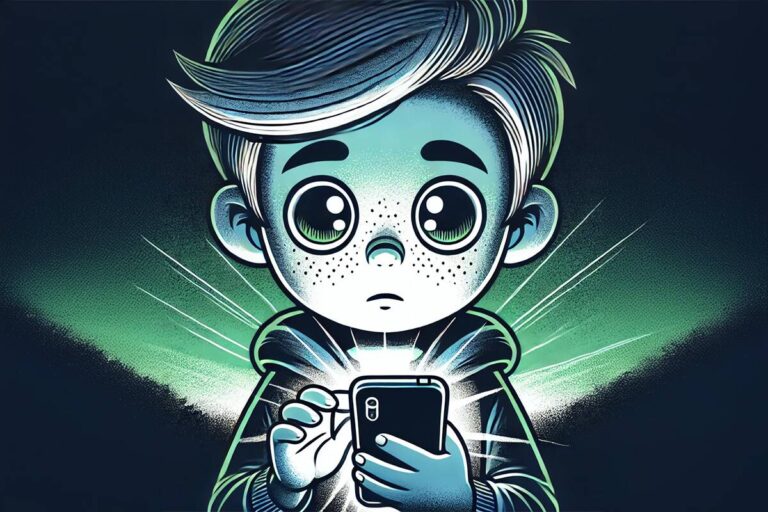
Social media can weaken children’s social skills, making it harder to build and maintain real friendships. Parents must understand these effects to support healthy development.
Superficial Connections vs. Deep Friendships
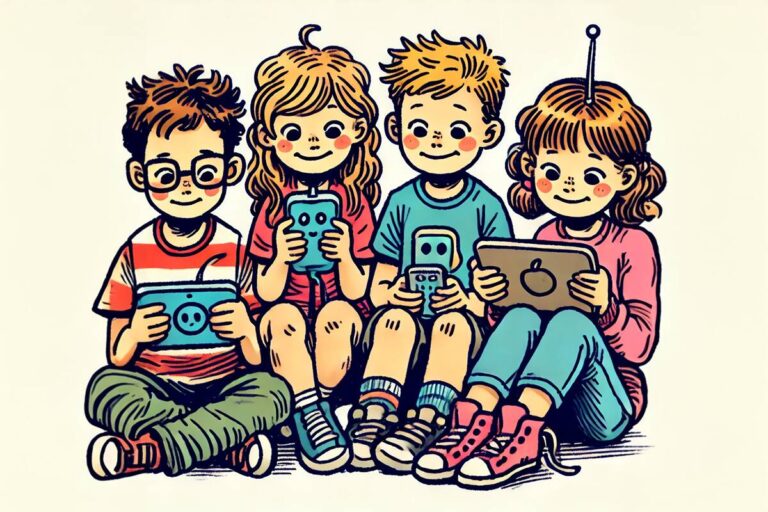
One of the most significant ways social media affects children’s ability to make and hold friendships is by promoting superficial connections over deep, meaningful relationships. On social media, children can easily “friend” or “follow” hundreds of people, but these connections often lack the depth and emotional investment required for true friendships. The emphasis on quantity over quality can leave children with many contacts but few, if any, close friends.
Social Skills Undermined by Social Media
Instant Gratification and Shallow Interactions: Likes, shares, and comments provide quick validation, conditioning children to value fleeting approval over building real friendships based on trust and emotional support. Reduced Face-to-Face Interaction: Excessive online communication replaces in-person interaction, limiting the ability to read body language, tone, and facial expressions—essential skills for empathy and lasting relationships.
Hampered Social Skills and Long-Term Consequences
The social skills children develop (or fail to develop) during their formative years have far-reaching implications for their future. Poor social skills can affect a child’s ability to succeed in school, secure job opportunities, maintain healthy relationships, and enjoy a fulfilling life.
Long-Term Social Skills Challenges
- Difficulty in Building Trust: Social media’s quick interactions make it harder for children to develop trust, leading to shallow relationships, loneliness, and isolation.
- Negative Impact on Academic and Professional Opportunities: Weak social skills hinder group work, class participation, and networking—limiting academic success and career growth.
- Challenges in Family and Work Life: Poor communication skills can strain marriages, parenting, and workplace collaboration, affecting long-term personal and professional relationships.
The Role of Low-Effort Social Groups
Social media platforms often feature groups or communities that require little effort to join or leave. While these groups can provide a sense of belonging, they do not require the same level of commitment as real-life friendships or communities. This low-effort approach to socializing can further hamper the development of essential social skills.
Long-Term Social Skills Challenges
- Difficulty in Building Trust: Social media’s quick interactions make it harder for children to develop trust, leading to shallow relationships, loneliness, and isolation.
- Negative Impact on Academic and Professional Opportunities: Weak social skills hinder group work, class participation, and networking—limiting academic success and career growth.
- Challenges in Family and Work Life: Poor communication skills can strain marriages, parenting, and workplace collaboration, affecting long-term personal and professional relationships.
The Kidcomms P110: A Solution for Healthy Social Development
Given the significant social challenges posed by social media, parents are right to be concerned about their child’s ability to develop healthy friendships and social skills. The Kidcomms P110 phone is specifically designed to address these concerns, making it the ideal choice for parents who want to protect their child’s social development.
No Social Media Access
The Kidcomms P110 does not support internet access or social media apps, ensuring that children are not exposed to the superficial and transient interactions that dominate these platforms. By removing the temptation to engage in low-effort socializing, the P110 encourages children to invest in real-life friendships, where they can develop the deep, meaningful relationships that are crucial for their social and emotional well-being.
Encourages Face-to-Face Interaction
With limited functionality, the P110 phone is designed to support essential communication only. This encourages children to engage more in face-to-face interactions, where they can practice and hone their social skills. By focusing on real-world experiences, the P110 helps children build the confidence and competence they need to navigate social situations effectively.
Supports Long-Term Social and Emotional Success
By choosing the Kidcomms P110, parents are making an investment in their child’s long-term social and emotional success. The P110 helps children avoid the pitfalls of social media, allowing them to develop the skills they need to form lasting friendships, succeed academically and professionally, and enjoy fulfilling relationships throughout their lives
Conclusion: The Right Choice for Your Child’s Future
The negative impacts of social media on children’s ability to make and hold friendships are profound and far-reaching. The Kidcomms P110 phone offers a safe, practical solution that allows children to develop healthy social skills, free from the superficiality and transience of online interactions. By choosing the P110, parents can protect their child’s social development, setting them up for success in all areas of life.